Identifying wasp nests in your backyard can be crucial for ensuring safety and comfort during outdoor activities. Wasps can become aggressive, especially during late summer and early fall when they are most active. This guide will provide you with practical tips to recognize wasp nests and understand their behavior so you can take appropriate action.
Understanding Wasp Behavior
Wasps are generally more aggressive than bees and are known for their painful stings. They are social insects that build nests in colonies, with each nest containing hundreds to thousands of wasps. Understanding their behavior is vital in identifying nests. Wasps are most active during the day and often return to their nests in the evening.
Common Signs of Wasp Nests
Several indicators can help you identify the presence of a wasp nest:
- Frequent Wasps: If you notice a high number of wasps flying around a specific area, it may indicate a nest nearby.
- Visible Nests: Nests can sometimes be seen hanging from trees, eaves, or under decks.
- Buzzing Sounds: A constant buzzing noise in a specific area can suggest a nest is close by.
It's essential to observe these signs carefully, particularly during warmer months when wasps are more active.
Types of Wasps and Their Nests
There are various types of wasps, each with distinct nesting habits. The most common types include:
- Yellow Jackets: These are often mistaken for bees and are notorious for building nests in the ground or in wall cavities.
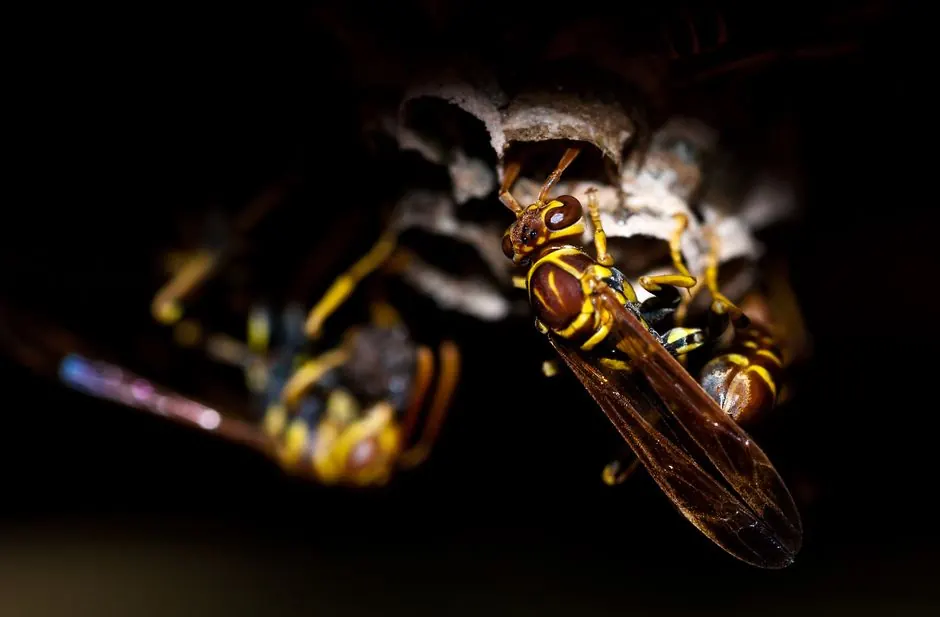
- Paper Wasps: They create umbrella-shaped nests that hang from structures and are usually located in sheltered areas.
- Bald-Faced Hornets: Known for their black and white coloration, they build large, enclosed nests high in trees or shrubs.
Understanding the type of wasp can help you determine the best approach for dealing with them.
Identifying Nest Locations
Wasp nests can be found in various locations around your property. Here are some common places to check:
- Under Eaves: Many wasps prefer to build their nests in sheltered areas like under eaves or overhangs.
- In Trees or Shrubs: Look for nests hanging from branches or nestled within dense foliage.
- Inside Buildings: Wasps can enter attics or wall cavities, leading to hidden nests.
If you suspect a nest in your home, consider contacting a professional for wasp & hornet control to ensure safe removal.
Common Mistakes to Avoid
When dealing with wasp nests, it's easy to make mistakes that can lead to dangerous situations:
- Ignoring Signs: Failing to act on signs of a wasp nest can lead to aggressive encounters.
- DIY Removal: Attempting to remove a nest without proper knowledge can provoke wasps and result in multiple stings.
- Underestimating Size: Nests can grow quickly; what starts as a small nest can expand significantly in a short time.
Being aware of these mistakes can help you take the right steps to manage wasp populations effectively.
When to Call a Professional
If you identify a wasp nest and are uncertain about how to handle it, it's best to call in the experts. Professionals, like those at Arizona Pest Pros, have the training and equipment to safely remove wasp nests without putting you at risk. They can also offer advice on preventing future infestations.
Frequently Asked Questions
How can I tell if a nest is active?
Active nests will have wasps consistently entering and exiting. If you see wasps buzzing around a specific area, it's likely that a nest is present.
What should I do if I get stung by a wasp?
If you are stung, remove the stinger if it's still in your skin, clean the area, and apply ice to reduce swelling. Seek medical attention if you experience severe reactions.
Can wasps return to the same nest each year?
Yes, some wasps may return to the same location, but they typically build new nests each year. Proper nest removal can help prevent this.
Are wasps beneficial?
Yes, wasps play a role in controlling pest populations as they feed on other insects. However, their presence near homes can be problematic.
What time of year are wasps most active?
Wasps are most active from late spring through early fall. During this time, their nests grow, and they become more aggressive.
Get Help with Pest Control in Arizona
If you need assistance with wasp control or any other pest issues, reach out to Arizona Pest Pros. We provide expert services to keep your home safe from pests.
Contact us today at +18778980245 for prompt and professional service.